Best Weed in Vancouver (2026 Craft Cannabis Guide)
What Actually Counts as the Best Weed in Vancouver? When people search for the best weed Vancouver, they’re usually not looking for just high THC—they’re
Legal cannabis is often marketed as clean, safe, and regulated — but the reality is more complicated.
Behind the scenes, many large-scale cannabis operations rely on pesticides, fungicides, and synthetic sprays to maximize yield and prevent crop loss.
And while chemicals in cannabis may pass testing in small amounts, what happens when they’re heated and inhaled?
This is the question most consumers aren’t asking — and it’s where the real risk begins.
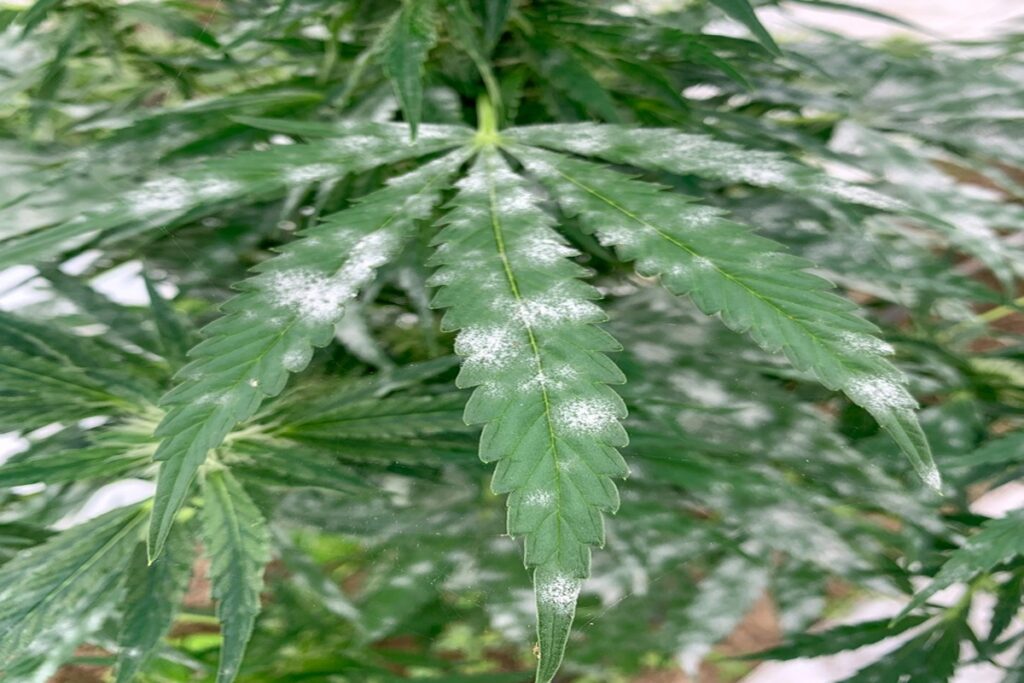
Cannabis is a sensitive plant.
It’s vulnerable to:
In large commercial grows, where plants are packed tightly together, these issues spread fast.
Instead of improving cultivation practices, many producers turn to chemical solutions to protect their crops and profits.
The result: cannabis that looks perfect — but may carry hidden contaminants.
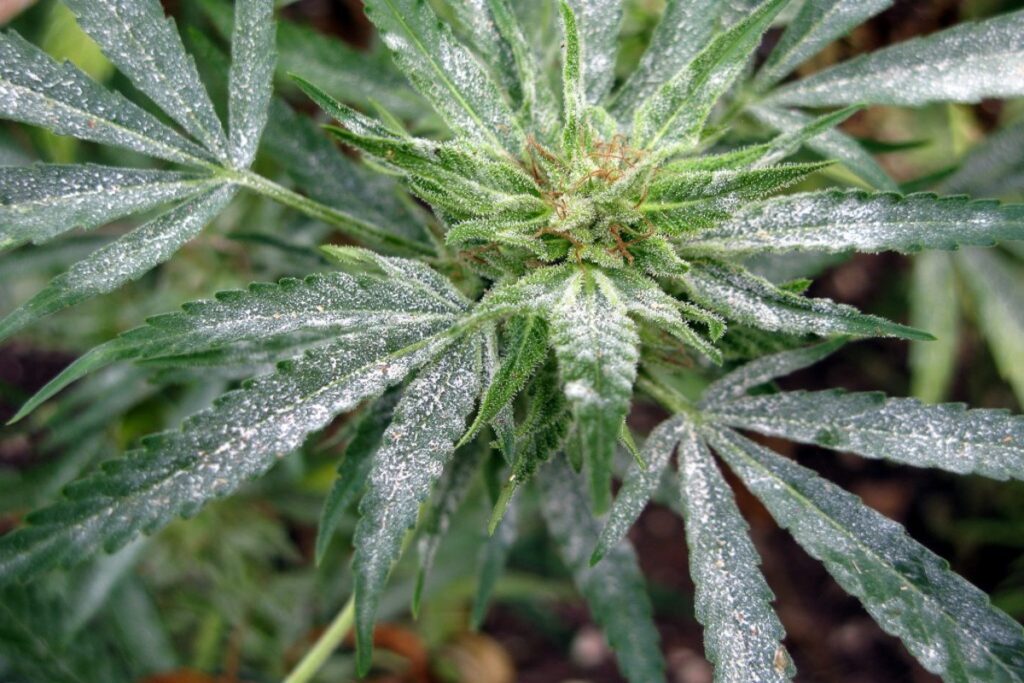
Myclobutanil is a systemic fungicide used to prevent mold and mildew.
When heated, it can break down into toxic gases, including hydrogen cyanide.
Eagle 20 is a commercial fungicide that contains myclobutanil.
It has been widely used in cannabis grows despite being unsafe for inhalation when combusted.
Even trace residues can become harmful when exposed to high temperatures during smoking or dabbing.
Neem oil is often considered “natural,” but when improperly used or not fully flushed, it can leave residues.
When burned, these residues may irritate the lungs and contribute to long-term respiratory issues.
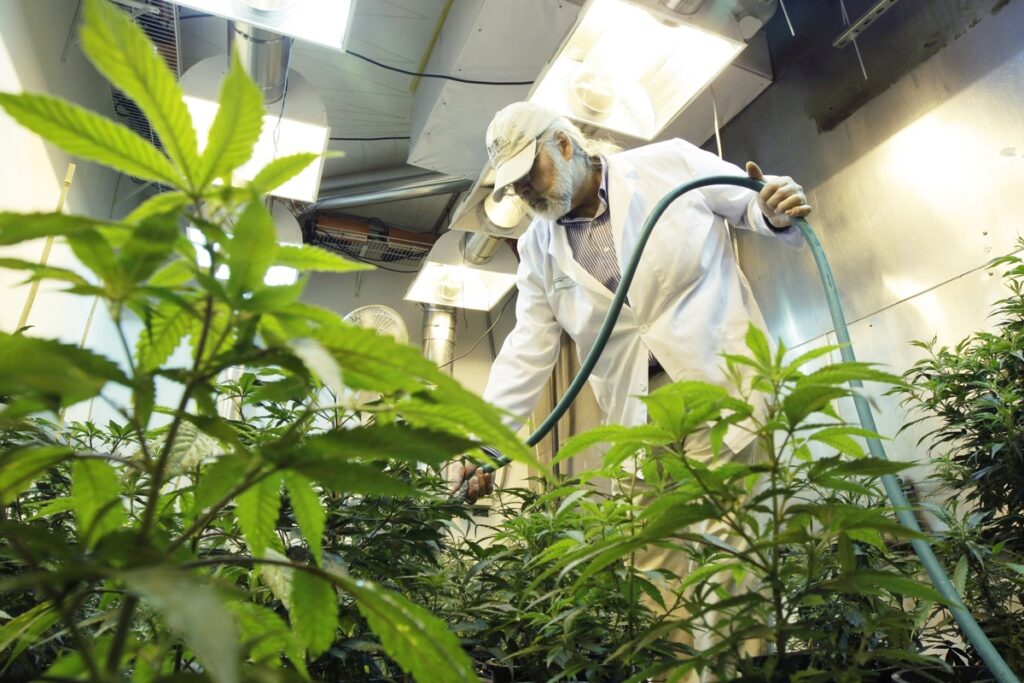
Some large-scale grows use:
These can impact:
Here’s the part most people overlook:
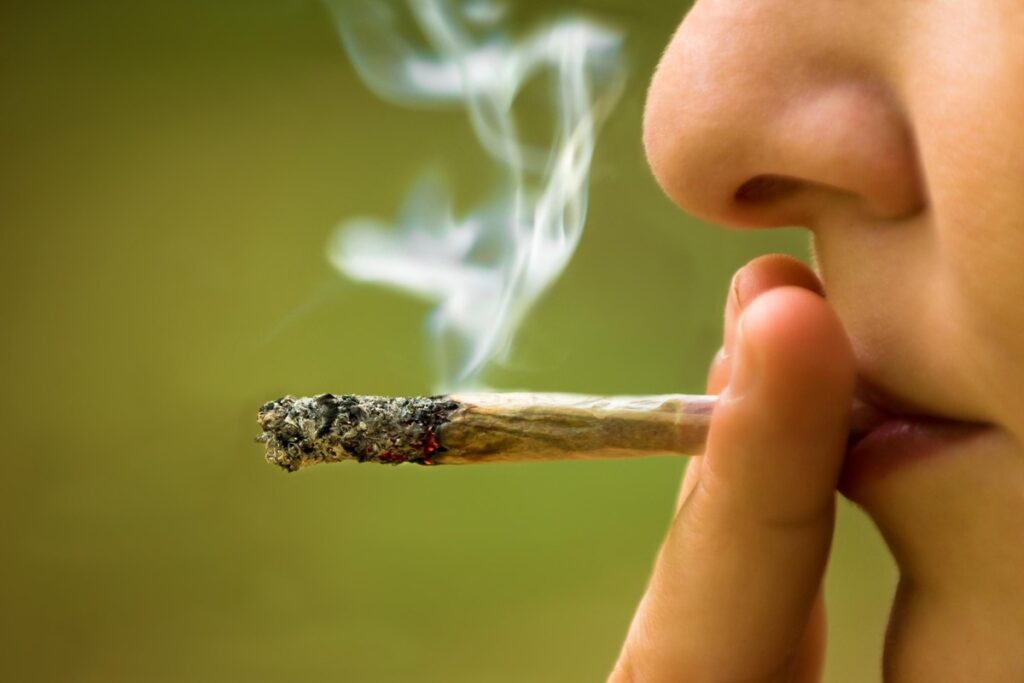
Cannabis isn’t just consumed — it’s heated and inhaled directly into the lungs.
When chemicals in cannabis are exposed to high temperatures:
Unlike food, where your body can process contaminants through digestion, inhaled substances go straight into your bloodstream.
While occasional exposure may not cause immediate symptoms, long-term exposure of chemicals in cannabis may contribute to:
And the reality is:
These risks are often invisible until they’re not
Many consumers assume:
“If it’s legal, it must be safe”
But testing systems have limitations:
This means:
Passing a test doesn’t always mean clean cannabis
Responsible craft cannabis producers operate differently.
Instead of relying on chemicals, they focus on:
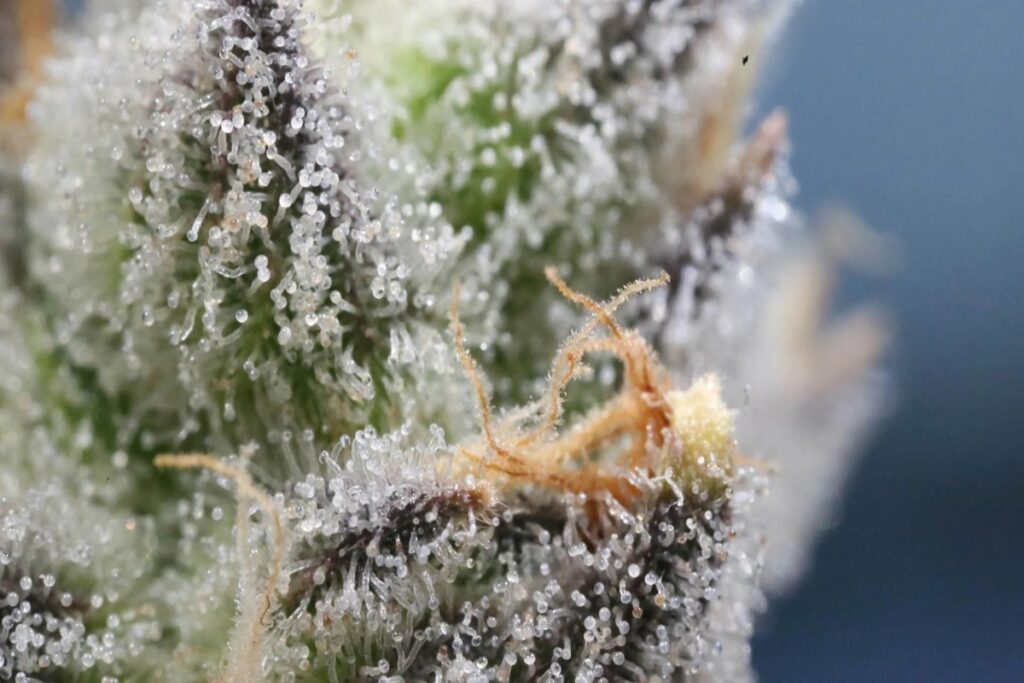
The goal isn’t just yield — it’s quality, purity, and terpene preservation
If there’s one takeaway from this:
Know where your cannabis comes from
Ask questions like:
If you can’t get a clear answer:
It’s better to avoid it.
We only work with growers and producers that practice responsible cultivation practices, legends like Poncho Farms, TerpJvnkyFarms, and Alti Montreal.
When you switch to properly grown cannabis, you’ll notice:
Because you’re not just smoking THC — you’re experiencing the full plant, the way it was meant to be.
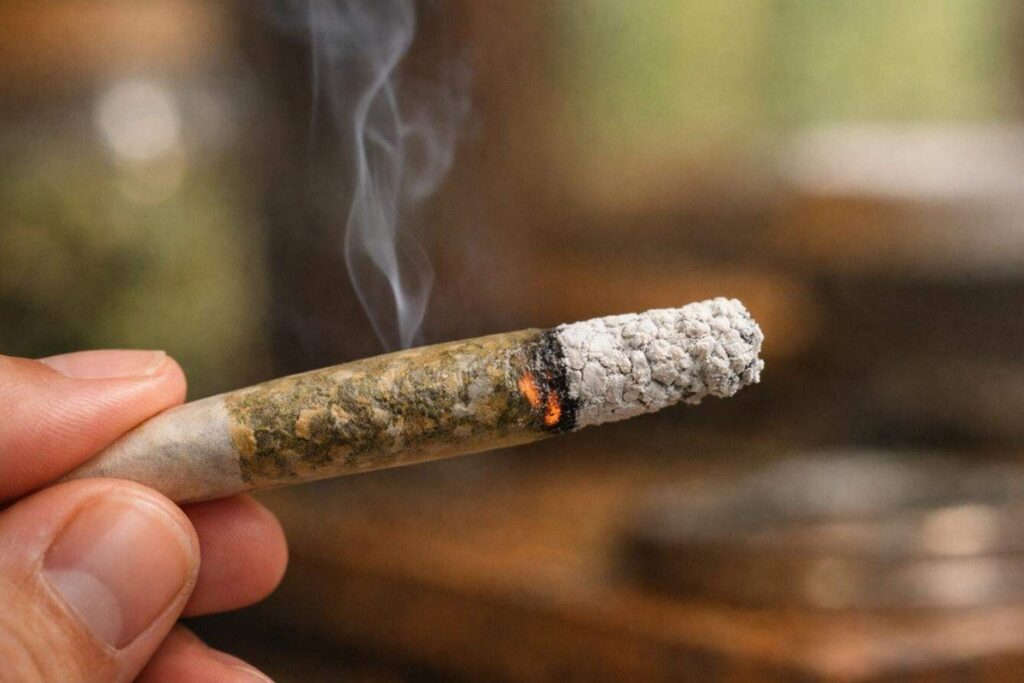
Cannabis quality isn’t just about potency — it’s about what’s NOT in it.
The hidden chemicals in cannabis in large-scale grows are one of the biggest differences between:
Mass-produced cannabis
vs
True craft, clean product
At the end of the day:
If you wouldn’t inhale it directly into your lungs — it shouldn’t be in your cannabis.
Common pesticides include myclobutanil (found in Eagle 20), neem oil, and various synthetic insecticides and fungicides.
Not always. Legal cannabis can still contain pesticide residues within “acceptable limits.”
When heated, some pesticides can break down into toxic compounds and be inhaled into the lungs.
Look for lab-tested products (COAs), organic growing practices, and trusted craft producers.
Checkout some of our favorite educational resources like, Cannabis and Pesticides a Tricky Subject , and Pesticides in Cannabis a Higher Path to Purity.

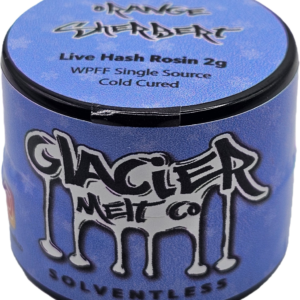
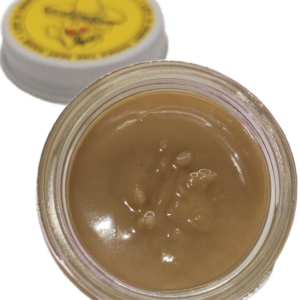
What Actually Counts as the Best Weed in Vancouver? When people search for the best weed Vancouver, they’re usually not looking for just high THC—they’re

If you’ve been trying to figure out where to find premium craft cannabis, you’ve probably realized something quickly—most of what’s marketed as “premium” isn’t actually

If you’ve been shopping at Vancouver Cannabis stores or legal retailers, you’ve probably noticed a few things: This is why more people are searching for
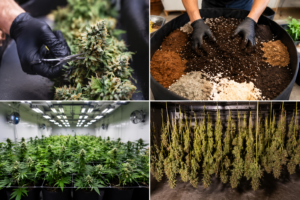
What Is Craft Cannabis? To understand why craft cannabis costs more, you first need to understand what separates it from standard products. Craft cannabis is
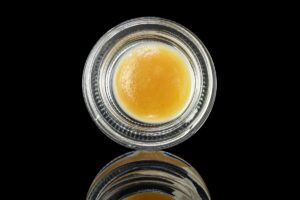
How to Store Live Rosin (Don’t Ruin Your Terps) As cannabis enthusiasts continue to explore the many forms of concentrates, live rosin stands out for
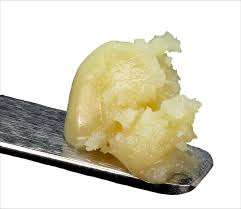
Live rosin has become one of the most sought-after concentrate categories in Canada because it is made from fresh-frozen cannabis and processed without chemical solvents.